
Understand what each stage contributes
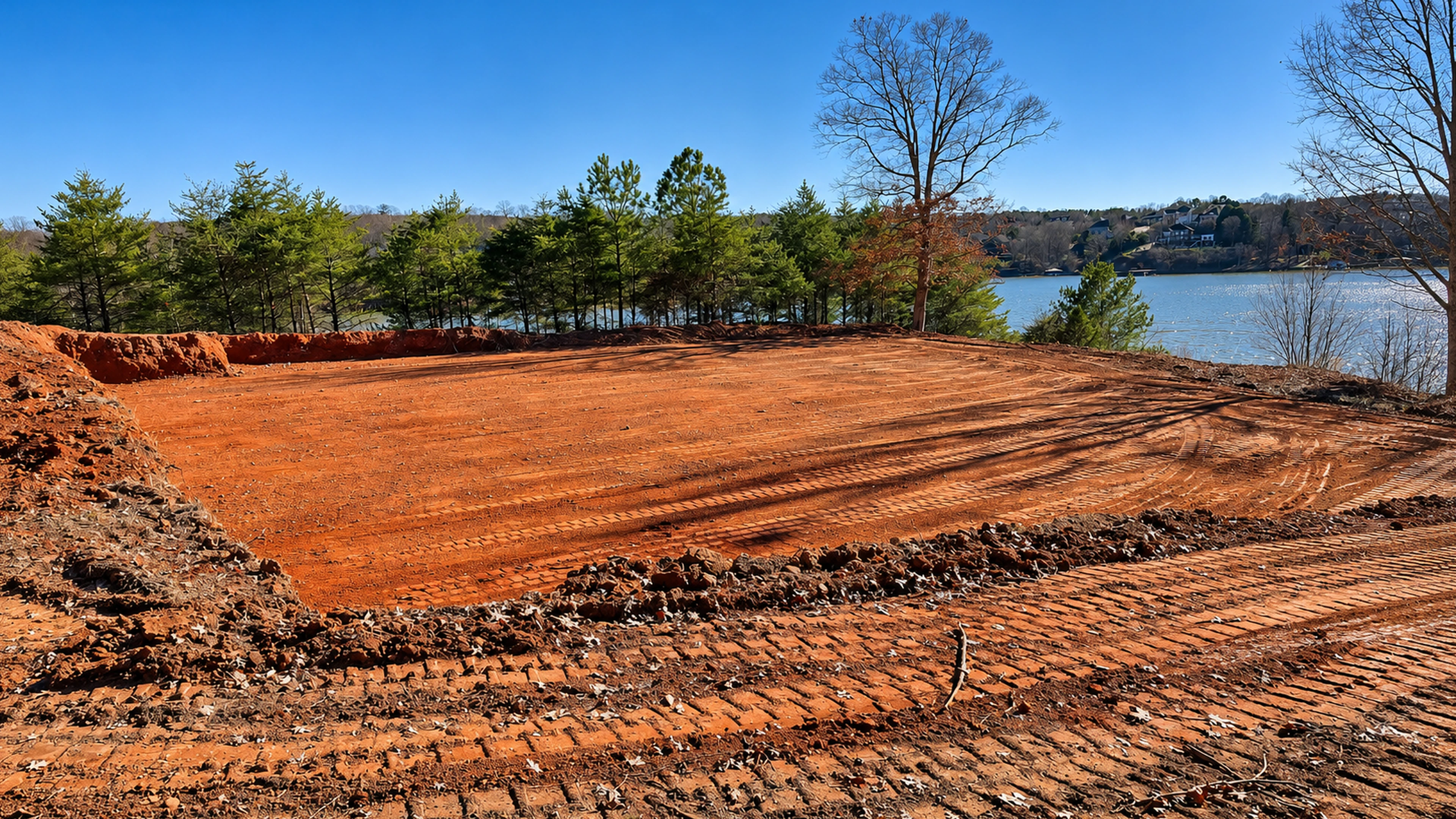
Earthmoving is often used as a broad description for several tasks. Clearing makes room for the agreed work. Excavation addresses material within a planned footprint or installation area. Grading shapes the ground to support the intended use. A project may need one stage or a coordinated combination.
Explain the result you want and the construction that follows. That information helps distinguish necessary work from assumptions. Two estimates can sound similar while ending at different stages, so ask each contractor to describe the included result in plain terms.
Combine the plan with the property
The science begins with reliable information about the proposed project and any professional requirements that guide it. The practical judgment comes from considering how that information relates to access, working space and existing conditions. A drawing alone cannot show every site constraint.
Bring photographs, current drawings and records of previous work to the conversation. Ask which questions remain unresolved and who is responsible for answering them. When the plan changes, make sure the earthwork scope is reviewed rather than assuming the new goal fits the original arrangement.
Explore our guide to earthmoving plans for a connected site before discussing the sequence with your builder.
Prepare for the next construction stage
Identify the contractor who follows and what they require before starting. Clarify how the prepared area will be handed over and which work remains outside the earthwork estimate. Barnes Backhoe & Grading serves Taylorsville and surrounding communities with clearing, grading, foundation excavation and septic installation.