
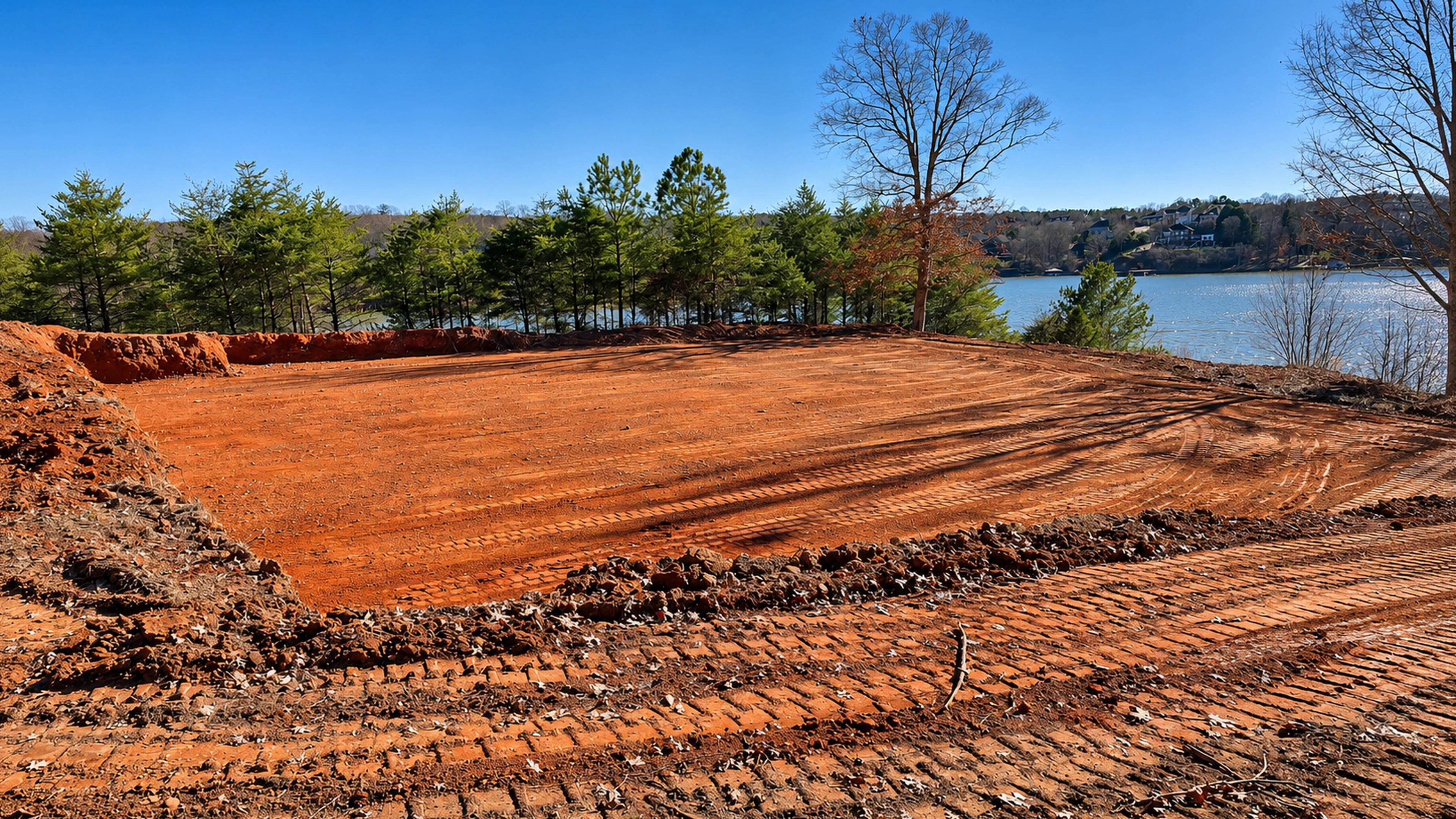
Name the constraint before selecting the approach
Some excavation challenges are visible before the first site visit: a narrow entrance, an occupied building or a proposed work area surrounded by features you want to preserve. Others become clear only when the property is assessed. Explain both what you know and what remains uncertain when introducing the project.
Share photographs, available drawings and records of earlier work. Tell the contractor whether access crosses a shared area or must remain available during construction. These details can influence the sequence and working space even when the building footprint is small.
Allow decisions to follow better information
Ask how the estimate describes unexpected material, buried features or a revision to the plans. The useful question is who reviews the condition and agrees on the next step. Avoid assuming that every possible difficulty can be resolved within the original description and schedule.
Where a project needs information from a designer, utility owner or other specialist, identify the responsible contact early. Keep one current set of plans in circulation so that a new answer does not leave different contractors working from different assumptions.
Discuss foundation excavation with the current footprint, access arrangements and known site concerns available.
Turn the challenge into a defined next step
A practical first conversation should leave you knowing which information is ready, what still needs assessment and what work is included in the proposed scope. Barnes Backhoe & Grading serves Taylorsville, Hickory and surrounding communities. Call with your property location and explain the difficult part of the project so the estimate conversation addresses it directly.
