
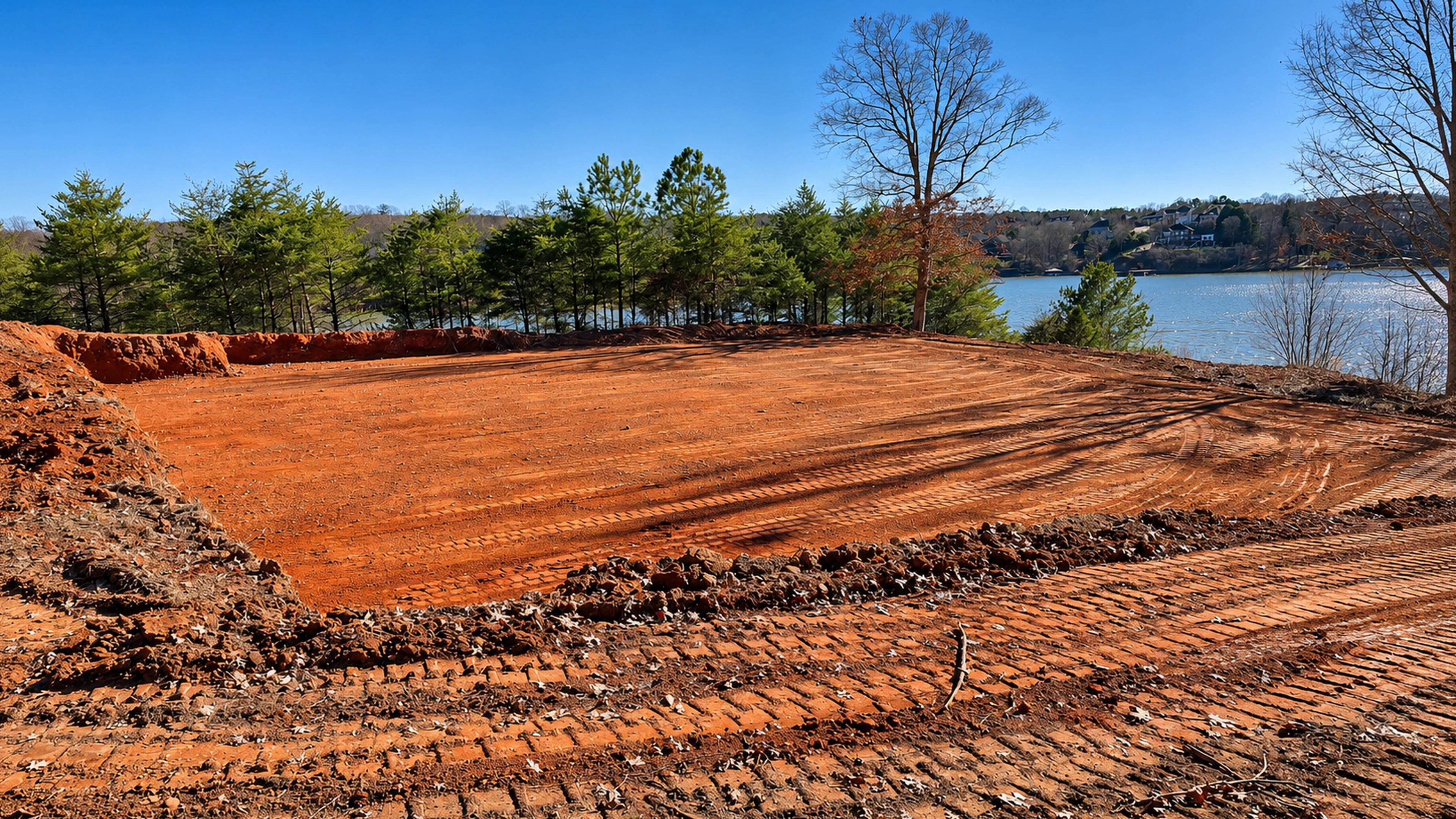
Explain what the transformed land must do
Land transformation is more useful when it solves a defined problem. You may need room for a building, better access or a different arrangement of usable outdoor space. Describe that outcome before deciding how much ground should be reshaped.
Identify the existing features that influence the work: vegetation, structures, access, nearby properties and known wet areas. These are part of the site, not obstacles to mention after the scope has been agreed. Share photographs and available plans to introduce their relationship to the proposed improvement.
Discuss material and transitions
Earth shaping can involve removing material, bringing material in or changing where it sits within a site. Ask how the estimate describes that handling and whether further assessment is needed. Material suitable for one purpose should not automatically be assumed suitable for another.
The edge of the work area also needs attention. Discuss how the proposed ground shape connects to the areas left in place and what further design input may be required. Questions about slopes, drainage or ground stability should be resolved for the property rather than answered from a generic example.
Our guide to planning a landscape change around existing terrain helps organize the first conversation.
Keep the sequence connected to the goal
If the project needs clearing, grading and excavation, ask how the stages depend on one another. Identify decisions that could cause completed work to be revisited. Barnes Backhoe & Grading can discuss your earthwork goals around Taylorsville and surrounding communities, with a free estimate conversation based on the work your property needs.
