
Identify the limitation you want to remove
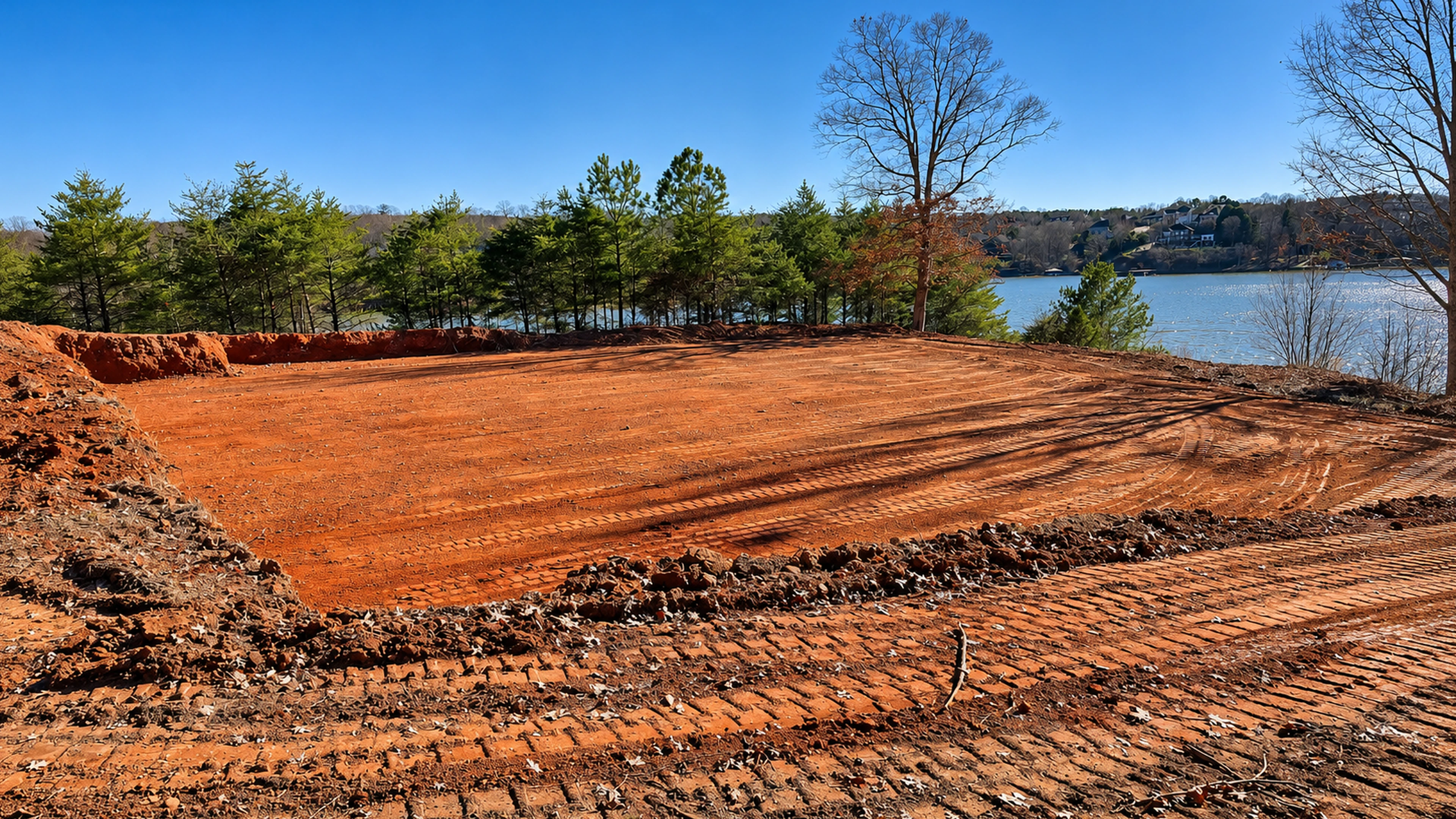
Land value is often discussed in broad terms, but an earthwork estimate needs a specific purpose. You may want to prepare a homesite, open access to an area or make room for a planned installation. Explain the intended use and what currently prevents it.
Keep the parts of the property that already serve you well in the conversation. Existing access, vegetation and open space may influence where work should occur. An improvement is easier to assess when it is connected to a defined use rather than a general desire to change the land.
Consider the complete path to the improvement
Excavation may be only one part of achieving your goal. Ask which drawings, approvals and later construction stages the proposed work depends on. Clearing an area does not establish that every intended use is feasible, and a rough earthwork stage should not be mistaken for a finished improvement.
Discuss material removal, access and the work assigned to other contractors. These details help you compare proposals covering the same outcome. If the project will be phased, identify whether the first stage supports the later work or could need to be revisited.
Read our guide to planning property improvements before earthwork for questions to bring to an estimate.
Request an estimate tied to your plans
Share the property location, available drawings and the use you want to create. Ask the contractor to explain the included work and any unresolved assumptions. Barnes Backhoe & Grading serves Taylorsville, Hickory and surrounding communities with excavation and grading for residential and commercial projects.