
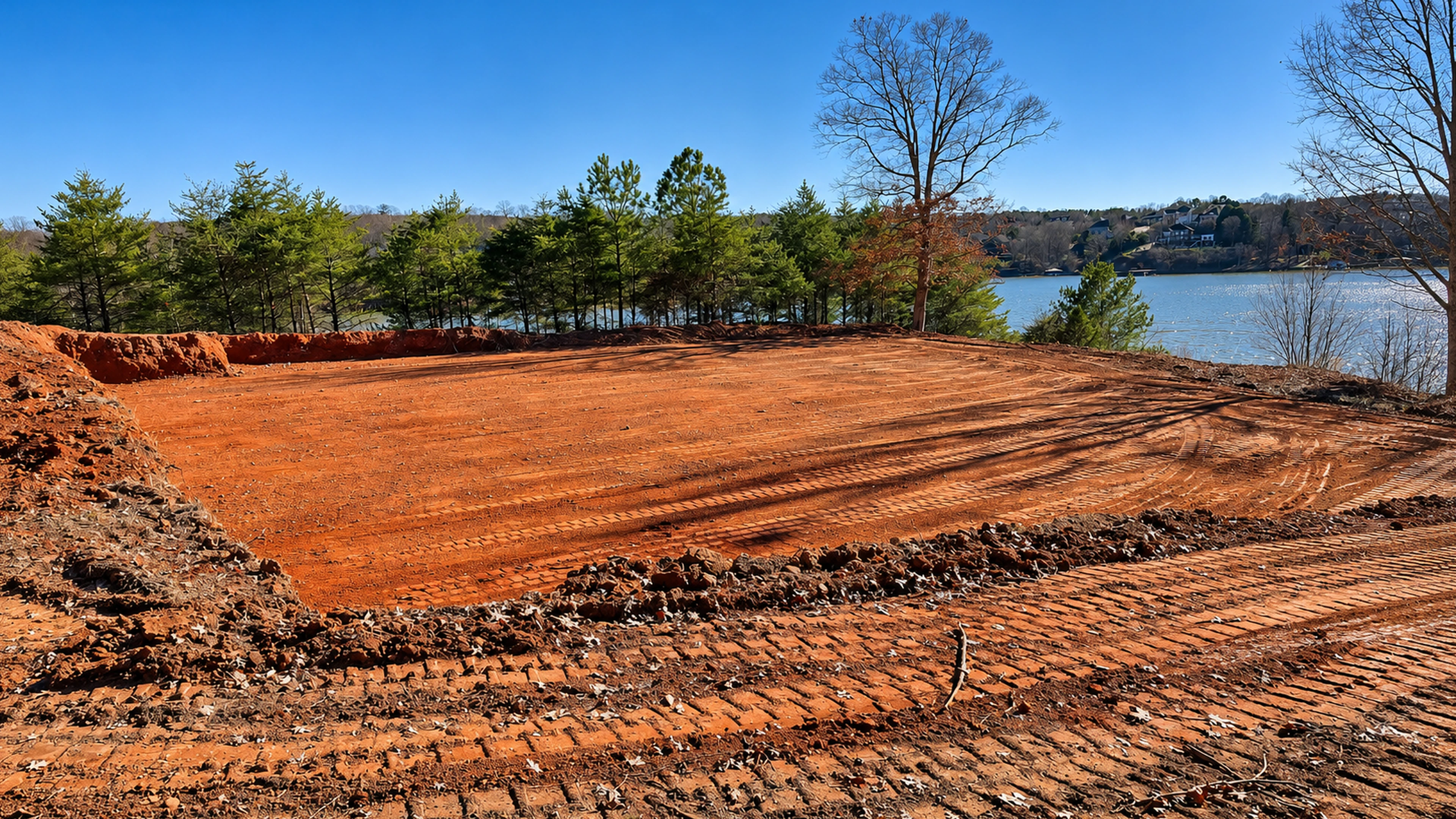
Look beyond the structure
Modern infrastructure depends on the way a site functions as a whole. The proposed building, its access and the surrounding ground cannot be planned as unrelated pieces. A decision about one elevation or route may influence what another contractor needs later.
At the start of a project, identify the elements already designed and the decisions still open. The earthwork conversation should describe how the site supports those elements, without assuming that excavation includes installing every system shown on the drawing.
Make contractor responsibilities visible
Ask who coordinates utility information, septic plans, access and the next construction stage. When several trades share a site, the handoff between them matters as much as the individual tasks. A revised route or building location should reach everyone affected before work continues against an older plan.
Explain whether the property remains occupied and how vehicles or deliveries will reach it during construction. Discuss temporary working areas as well as the permanent layout. Access that works for the finished property may require a different arrangement while equipment and materials are on site.
Read more about earthmoving plans for building and site infrastructure to prepare questions for the coordinating contractor.
Define what ready for the next stage means
Identify the condition the next trade expects and how readiness will be confirmed. Record any exclusions so that a completed earthwork stage is not confused with a completed construction project. Barnes Backhoe & Grading can discuss clearing, grading, foundation excavation and septic installation around Taylorsville and Hickory in relation to your wider site plan.