
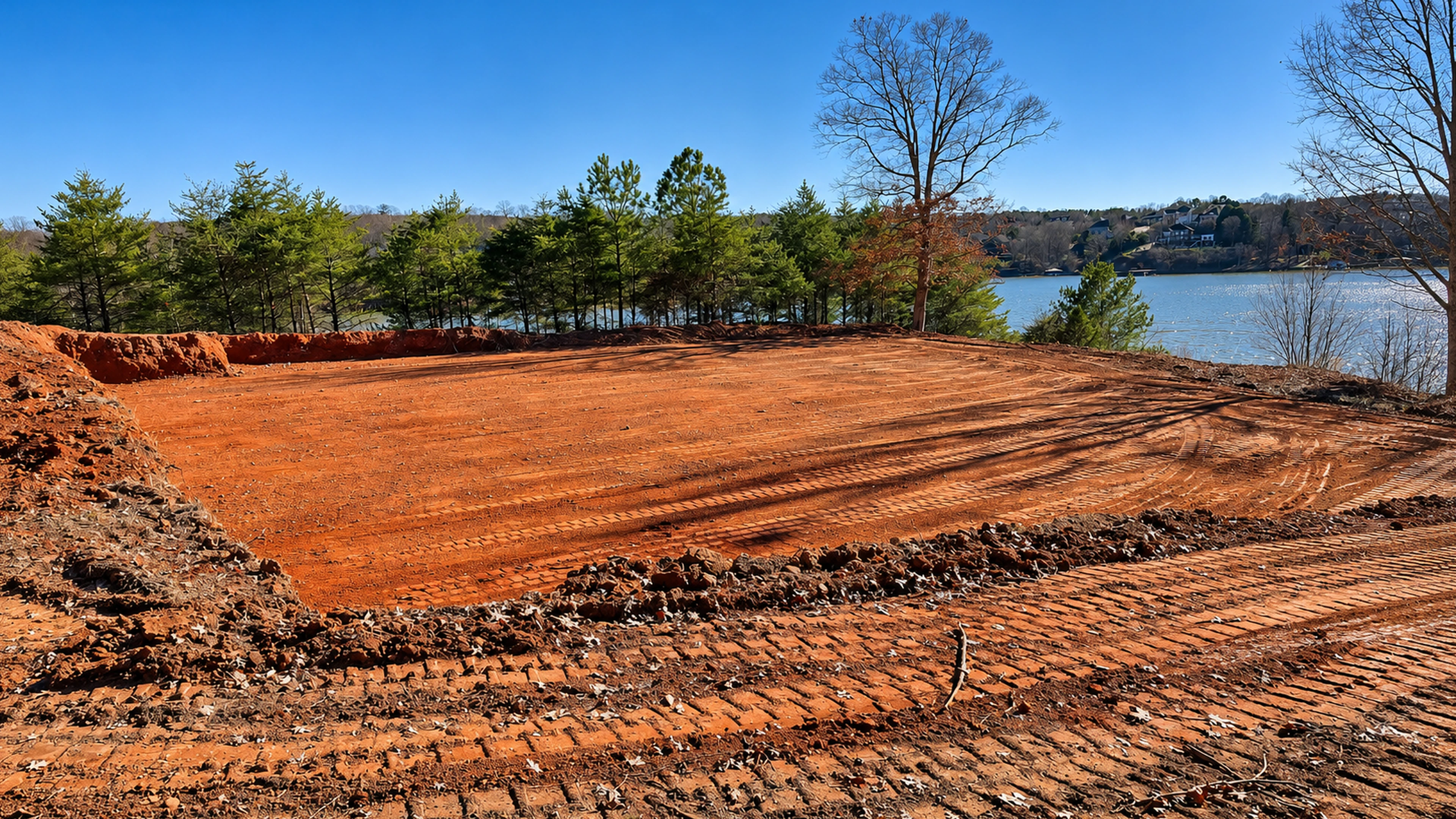
Preparation happens before equipment arrives
The visible digging is one part of an excavation process. Before it begins, the contractor needs to understand the proposed work, the available plans and the site constraints. Share the property location, intended footprint and known existing features when arranging an estimate.
Ask what further information is needed and who will provide it. Drawings may need clarification, access may need assessment and decisions may still be open with the builder. Identifying these items early keeps an incomplete instruction from being treated as a finished plan.
The scope guides decisions during the job
A useful scope distinguishes the included excavation from related tasks such as clearing, disposal or later grading. It also makes assumptions visible. Ask how unexpected conditions or a change in the construction plans will be reviewed before the work follows a new direction.
Good communication is specific: which area changed, which drawing is current and which contractor needs the answer next. Choose a coordinating contact and a safe way to raise questions. Do not approach operating equipment or an open excavation to check progress.
Read more about connecting grading, excavation and the building plan when preparing the project information.
Completion is a defined handoff
Ask who reviews the prepared area and which remaining tasks belong to others. Knowing that end point helps explain what the excavation stage delivers. For work around Taylorsville and Hickory, contact Barnes Backhoe & Grading with your current plans and the result the next contractor requires.